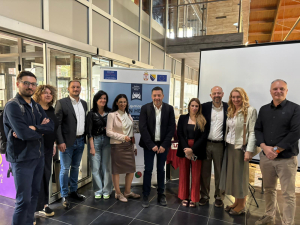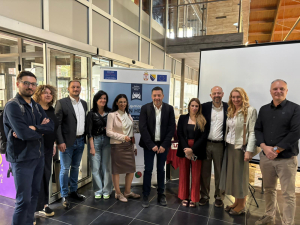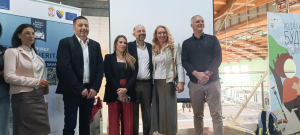

As part of a field visit to projects implemented under IPA–IPA and Interreg–IPA cross-border cooperation programmes, representatives of the European Commission’s Directorate-General for Enlargement and Eastern Neighbourhood (DG ENEST), the Delegation of the European Union to the Republic of Serbia, the Ministry of European Integration of the Republic of Serbia, the Directorate for European Integration of Bosnia and Herzegovina, and programme structures visited project locations in Sremska Mitrovica and Sremski Karlovci on 21 May 2026.
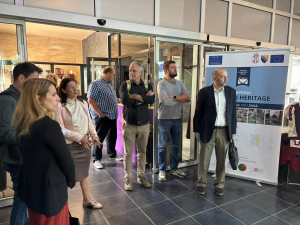
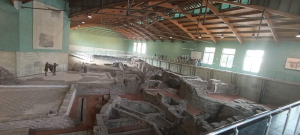
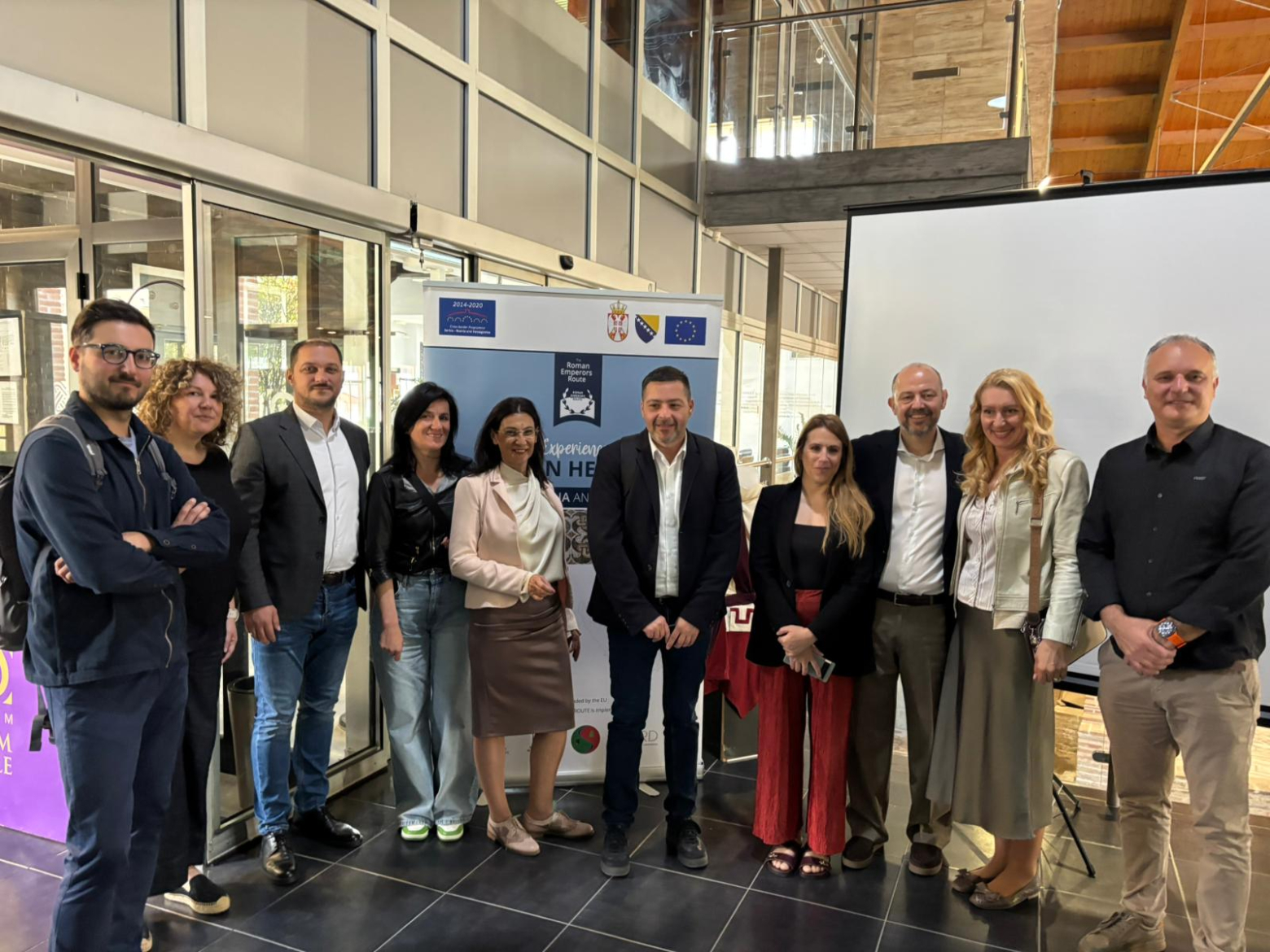
Nuria Aldao, representative of DG ENEST, Nemanja Martinović, Assistant Minister for European Integration, Konstantinos Soupilas, representative of the Delegation of the European Union to Serbia, and Sandra Memišević, Programme Coordinator for CBC Programme Serbia–Bosnia and Herzegovina at the Directorate for European Integration of Bosnia and Herzegovina, together with their delegations, visited the Sirmium Imperial Palace in Sremska Mitrovica. At this site, the results of the project “Experience Roman Heritage on Drina and Sava – Roman Emperors Route”, implemented within the Serbia–Bosnia and Herzegovina Cross-border Cooperation Programme, were presented. The project was presented on site by Dušanka Stanković, Project Manager and Senior Conservator, and Slaviša Petrović, Director of the Tourist Organisation of Srebrenica.
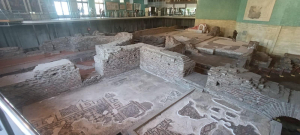
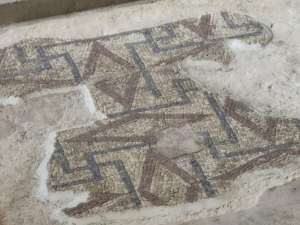
During the visit, special attention was given to the mosaics in Sremska Mitrovica, which were reconstructed through the project and integrated into the tourism offer of the Imperial Palace. The delegation had the opportunity to tour the site with expert guidance and learn more about the importance of Sirmium as one of the most significant archaeological sites in the region.
Through this project, the archaeological site Roman Municipium in Skelani was protected and valorised, mosaics in Sremska Mitrovica were reconstructed, a tourism development strategy for Srebrenica was prepared, and three certified tourism routes connecting archaeological sites with other local attractions were developed. The “Roman Days” event was also organised, contributing to the promotion of cultural heritage.
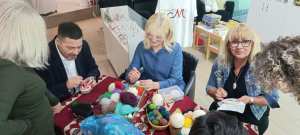
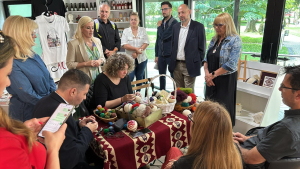
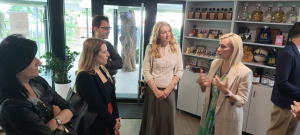
After visiting the Imperial Palace, the delegation visited the Tourist Organisation of the City of Sremska Mitrovica, where the results of the project “Together for Cultural Tourism – Cross-border Cooperation for Improved Socio-Economic Development and Preservation of Traditional Handicrafts” were presented.
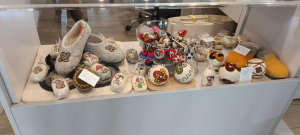
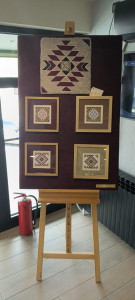
The project focused on the preservation of traditional crafts, the development of cultural tourism, and the economic empowerment of women artisans and artists. More than 200 women participated in trainings, workshops and mentoring support, through which they improved their knowledge in design, branding and market placement of products. Traditional techniques such as weaving, knitting and embroidery gained new value through contemporary design and their connection with the tourism offer.
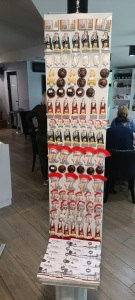
One of the most visible results of the project is the development of recognisable cultural and tourism products inspired by local cultural heritage. These products were promoted through tourist organisations, craft workshops, exhibitions and events, creating a direct link between artisans, the local community and the tourism market.
Some of the products were also presented at the Serbian Pavilion at Expo 2025 in Osaka, Japan, while since March this year part of the collection has been available at the Ethnographic Museum in Belgrade. Since October 2024, the products have also been displayed at the Tourist Organisation of the City of Sremska Mitrovica, one of the locations where workshops for women from the local community were held.
The visit continued in Sremski Karlovci, where the “ADAPTvitis” project, implemented within the Croatia–Serbia Cross-border Cooperation Programme, was presented. During this visit, the Centre for the Prevention of Negative Impacts of Climate Change in Viticulture was also introduced.
The “ADAPTvitis” project represents an important example of successful cross-border cooperation aimed at preserving and improving viticulture in the context of increasingly pronounced climate change. Through the application of scientific research, innovative solutions and the development of more resilient grapevine varieties, the project contributes to strengthening the resilience of the viticulture sector, preserving tradition and cultural heritage, and supporting the sustainable development of the entire region. Its particular importance lies in connecting the scientific community, producers and institutions, as well as in creating concrete mechanisms to mitigate the negative effects of climate change and protect one of the most important agricultural sectors in this part of Europe.
The field visit provided an opportunity to present concrete results of European Union support in the cross-border area, as well as the importance of cooperation between institutions, local actors and project partners. The projects visited demonstrated how cross-border cooperation contributes to the preservation of cultural heritage, tourism development, the empowerment of local communities and the creation of new opportunities for sustainable economic development.