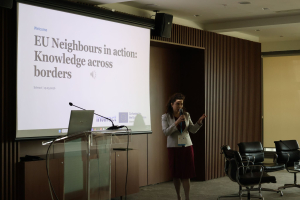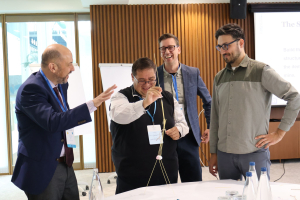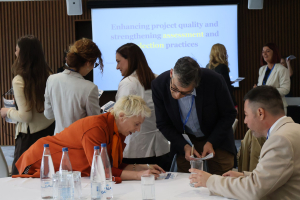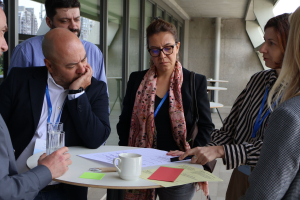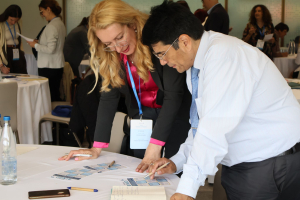

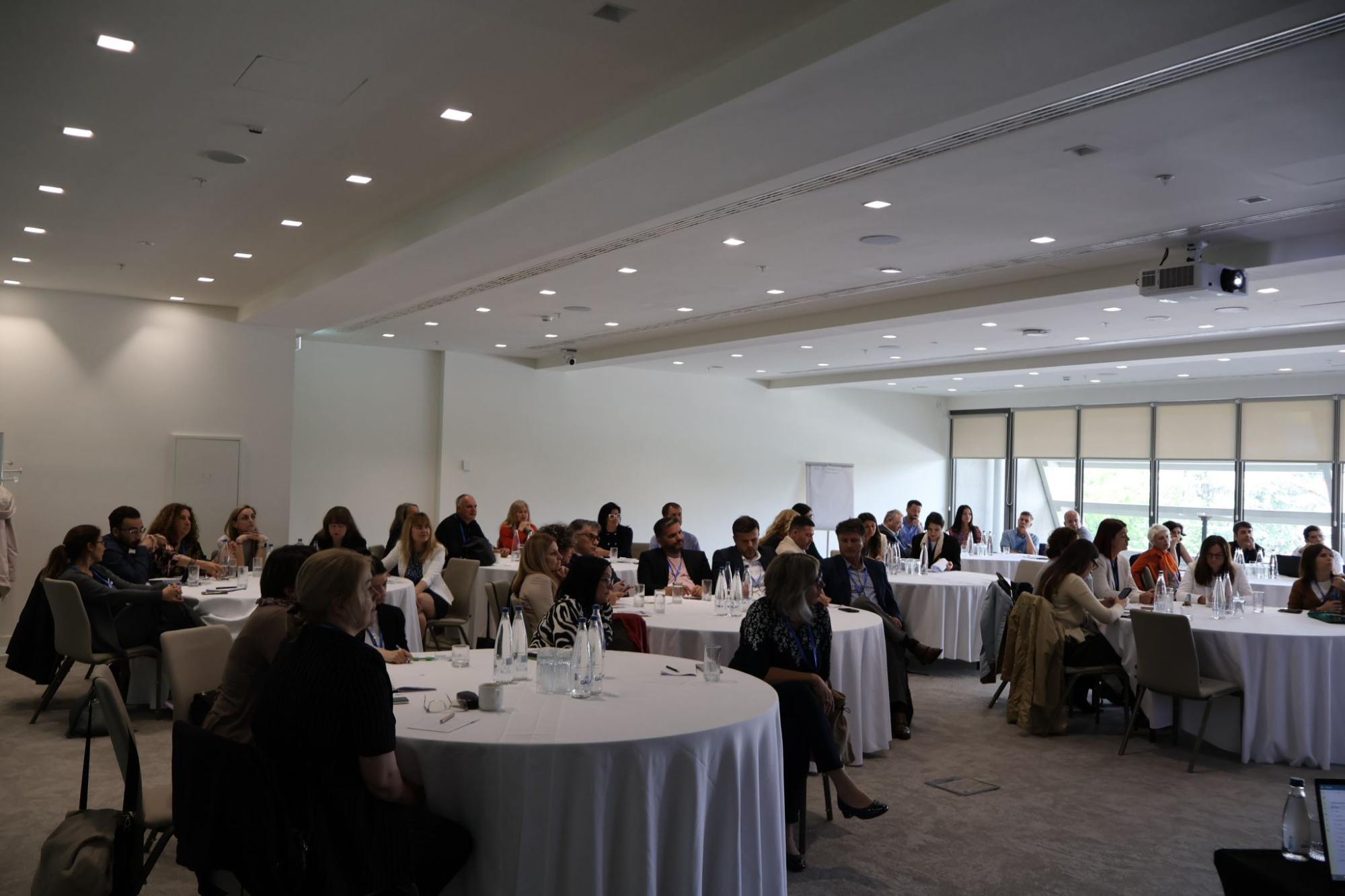
The event “EU Neighbours in action: Knowledge across borders” was held in Belgrade on 19 and 20 May 2026, organised by Interact, bringing together representatives of cross-border cooperation programmes, national institutions, joint secretariats, the European Commission and Delegations of the European Union from EU Member States, candidate countries and countries involved in external cooperation programmes.
The event focused on the exchange of experiences, peer learning and discussions on practical approaches to improving cooperation programmes at the external borders of the European Union, with a particular focus on enlargement countries, including the Western Balkans.
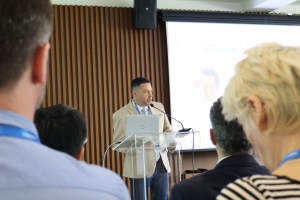
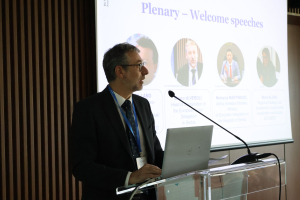
The event opened with the plenary session “Welcome, success stories and setting the scene”, featuring welcome speeches by:
- Moray Gilland, Head of Unit for Macro-regions, transnational/interregional/external cooperation and enlargement, DG REGIO
- Mauro di Veroli, Head of Cooperation of the Delegation of the European Union to Serbia
- Nemanja Martinović, Acting Assistant Minister at the Ministry of European Integration of the Republic of Serbia
- Nuria Aldao, Cross-border Cooperation Coordinator for Regional Strategy and Investment, DG ENEST
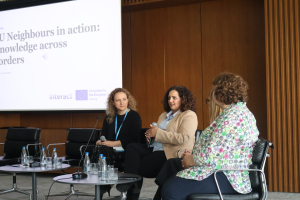
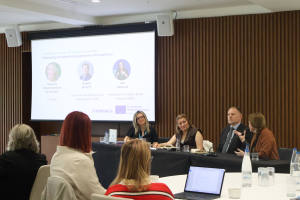
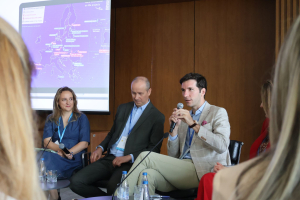
The panel discussion “Why cooperation is a strategic European asset” featured:
- Djordje Bojovic, Policy Advisor, European Parliament
- Nadija Afanasieva, Director of the Ukrainian Institute for International Politics (UIIP)
- Teofil Gherca, Director of the URBACT Interreg Interregional Programme
- Oana Cristea, Head of Unit at the Managing Authority for the Romania–Serbia Interreg IPA Programme
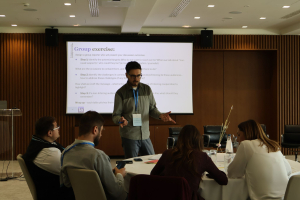
During the two-day event, numerous thematic workshops, parallel sessions and discussions were held focusing on improving project quality, linking project results with wider European policies and cooperation frameworks, developing quality partnerships, communication and visibility of programme results, as well as the contribution of cross-border cooperation to European values.
Special attention was given to the exchange of practical experiences and identifying common solutions to challenges faced by programmes during implementation, as well as preparing programmes for the post-2027 period.
Within the sessions “Enhancing cooperation programmes beyond 2027” and “From reactive crisis management to resilient programmes beyond 2027”, participants discussed improving cross-border cooperation programmes, moving from reactive crisis management towards long-term planning and building more resilient programmes capable of responding to emerging challenges in border regions.
The event concluded with the plenary session “Lessons learned and looking forward”, during which key conclusions were presented and future directions for cooperation programmes were discussed.
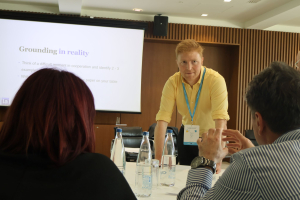
Through workshops, panel discussions, moderated exchanges and networking activities, participants shared experiences related to improving project selection, partnership development, strengthening communication and visibility, as well as the role of external cooperation programmes in promoting European values, resilience and regional stability.
The event once again confirmed that cross-border cooperation represents far more than a financial instrument — it is an important mechanism for building trust, exchanging knowledge, strengthening regional cooperation and jointly creating sustainable solutions for the development of local communities across Europe.